
AJC/ACC Voter Guide - State candidate Questionnaire - 2024 General Election
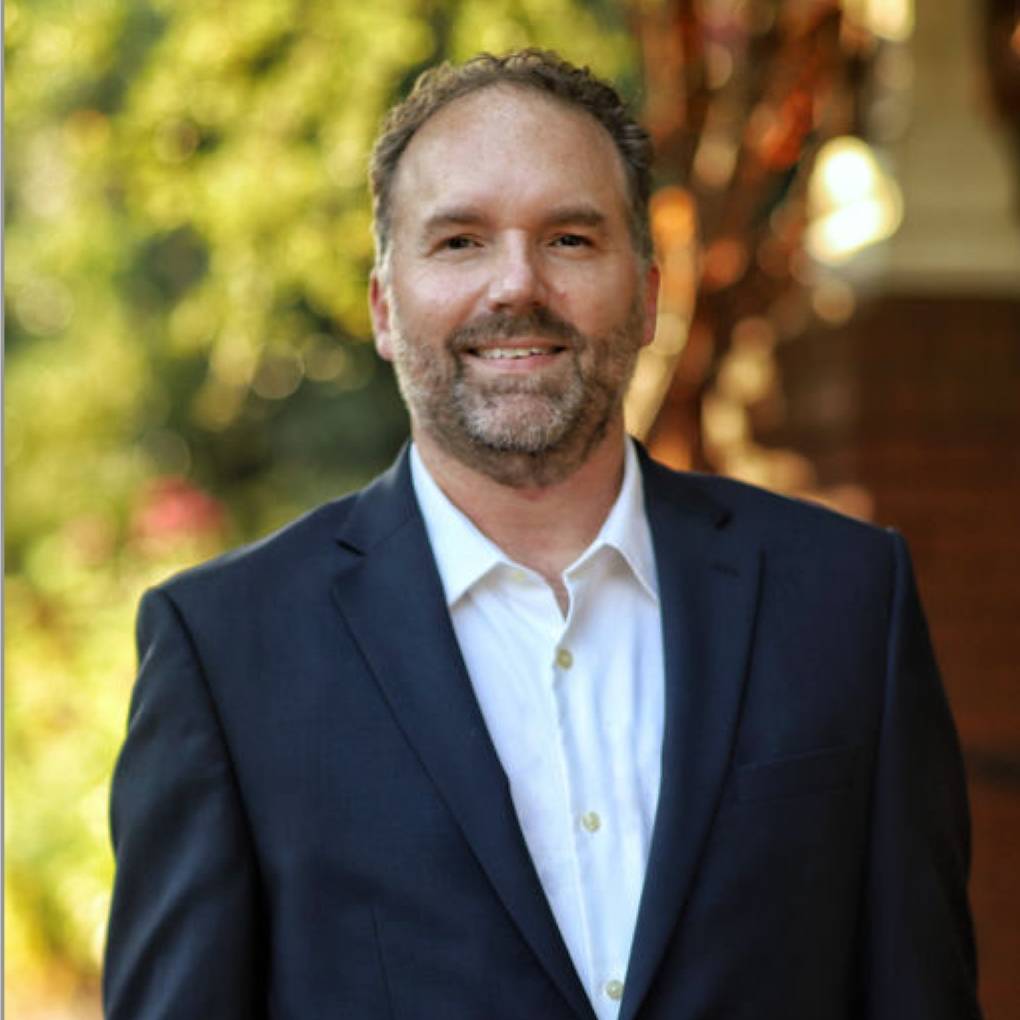
Completed by Eric Martin Gisler
on October 9, 2024
What is your name?
Eric Gisler
What office are you running for?
State House of Representatives, District 121
Are you the incumbent?
No
When is your birthday?
March 12, 1976
Upload a headshot/photo of yourself.
https://branch-production-bucket.s3.amazonaws.com/images/candidates/1745611291755_IMG_6897%20%281%29.JPG
Attach your resume or CV.
https://branch-production-bucket.s3.amazonaws.com/images/candidates/1745611291879_If%20You%20Don%C3%A2%C2%80%C2%99t%20Vote%20For%20Eric.pdf
Tell us more about yourself.
I am a native Georgian, small business owner, and father of two who has lived in the current district 121 for 21 years. I am running for state representative to put an end to single party rule in Georgia and implement laws that the state needs to be successful: expanding Medicaid, protecting reproductive freedom, common-sense gun safety, fully funding public schools, and so much more.
Where did you go to school?
I graduated from Jonesboro High School in Jonesboro, Georgia, in 1994, then spent two years at Georgia Southern University in Statesboro before finishing my Bachelor of Science degree at the University of Georgia in Athens in 1999.
Campaign Website
https://ericgisler.com/
Social Media Links
https://www.facebook.com/gislerforgeorgia/ https://x.com/emgisler https://www.instagram.com/emgisler/ https://www.tiktok.com/@ericgisler
Phone Number
(706) 461-3842
What is your job/occupation?
Although I majored in biology and oceanography, I pursued a career in Information technology, working in online banking/Fintech for 19 years, before moving to startups in 2020. I have been involved in a few startups to date. I am currently working for an insurance tech startup based in New England. In addition, I own an olive oil and vinegar store in Athens that I run with my daughter.
What city/neighborhood do you live in?
I have lived in Watkinsville in Oconee county for 12 years. Prior to that, I lived in Athens-Clarke County going back to 2003. All of my addresses since that time have been within the current House District 121 boundaries.
What is your top policy priority if elected? How would addressing this issue make a difference for the people you are seeking to represent and what skills or qualities do you possess that will make you an effective elected official?
It is hard to narrow down to just one, but if I must choose, I think it is reproductive freedom. Georgia's six-week abortion ban is directly killing women in our state, which is already among the worst when it comes to maternal mortality, especially for women of color. Recent Republican interest in banning IVF and reducing access to contraception are barbaric and must be stopped. The state should not be making these decisions. I am in favor of a state constitutional amendment protecting reproductive freedom in its entirety.
Do you believe there are any existing housing regulations that need to be reformed or eliminated to better address the housing crisis facing many Georgia communities? If so, which regulations and why?
Although many are at the local/municipal level, regulations requiring certain lot sizes or house sizes prevent builders from building more right-sized housing options that can increase the market supply and lower the cost of new housing. That said, increasing the supply by itself does nothing to lower the cost of housing if corporate landlords swoop in and buy up all the new construction to use as rental units. We need to find a healthy balance between corporate landlords and affordable housing for real people looking to participate in the American dream of home ownership.
If elected, would you work to increase state funding for schools? Why or why not?
Absolutely, and I would start with trying to repeal the school vouchers bill passed last session. School vouchers do nothing to address underlying problems that lead to poor school performance, and arguably make the problem worse by diverting state funds away from schools in need. Georgia currently has a budget surplus and sending tax dollars to private schools does nothing to address troubled public schools. Georgia's QBE formula has not been updated since 1985 and it is long past time to reform public school funding.
What role do you believe state government should play in addressing climate change, and what specific policies or legislation would you advocate for at the state level?
Climate change is a global issue that must be addressed at all levels of government. At the state level, we can create tax incentives and work on public-private partnerships to create the infrastructure required to support a renewable energy economy. Georgia has a far better climate for solar energy than Germany, but Germany leads Europe and maybe the world in solar energy production. Not only will incentivizing solar energy in Georgia help combat climate change, but it can create thousands of good paying jobs to help our economy.
The availability and cost of health care continues to be a concern for Georgians. Do you support Medicaid expansion? What steps, if any, should be taken to expand access to medical care in parts of the state with limited access?
I absolutely support Medicaid expansion. Georgia is one of nine states that has not expanded Medicaid, despite the fact that Georgia citizens are paying federal taxes that support it. The results are that Georgia has had several rural hospital closures and ranks among the worst when it comes to healthcare costs and outcomes. We should cut our losses with the failing Pathways program and expand Medicaid the way that 41 other states have done. The work requirements and red tape with Pathways makes it incredibly cost-ineffective and labor intensive, and has proven to be a waste of taxpayer dollars.
Georgia's minimum wage is currently $5.15 per hour, below the federal hourly minimum wage, which is $7.25 in most cases. Do you support an increase in the state’s minimum wage? If so, what should be the new minimum wage? If not, share why.
Yes, the minimum wage should be higher. Any adult working full time should not need to rely on government assistance to make ends meet. That is government subsidization of private industry and is not a free market solution. Due to the widely varying costs of living in different areas of the state, the state minimum wage should be high enough for full time employees to live in lower cost of living areas without requiring assistance. Localities that have higher costs of living should be encouraged to set higher minimum wages however possible.